
i-GREENPHARM Symposium
Advancing Sustainable Pharmaceutical Innovation: The i-GREENPHARM Initiative
Chair
V. Stathopoulos, Project Coordinator
Keynote Speaker
Simon Gaisford, Professor of Pharmaceutics, University College London
Keynote Title
From Materials to Medicines: Sustainable Pharmaceutical Manufacturing through Hot-Melt Extrusion, 3D Printing and AI
Project Website
https://igreenpharm-project.eu/
Overview
The i-GREENPHARM Symposium at MSSM 2026 focuses on sustainable materials and processing for pharmaceutical development, aligned with European priorities on green transition and digitalisation.
Bringing together researchers, PhD students and industry stakeholders, the session is designed to encourage knowledge exchange, support innovation uptake and promote more resource-efficient, digitally enabled manufacturing.
Key Themes
• Sustainable materials design for pharmaceutical applications
• Green chemistry combined with data-driven approaches
• Hot-melt extrusion and 3D printing for solvent-free manufacturing
• Use of AI and Machine Learning for optimisation and prediction
• Scalable processing routes for real-world implementation
Why It Matters
The symposium explores how materials science, digital tools and pharmaceutical engineering can work together to reduce environmental impact while maintaining high standards of product quality, safety and regulatory compliance.
It also provides a platform to discuss current challenges and opportunities in adopting sustainable practices across the sector.
Keynote Information
Speaker
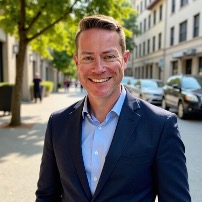
Simon Gaisford
Title
From Materials to Medicines: Sustainable Pharmaceutical Manufacturing through Hot-Melt Extrusion, 3D Printing and AI
Abstract
To be confirmed
Biography
Professor Gaisford is Vice-Dean for Impact and External Engagement at UCL’s Faculty of Life Sciences and holds a Chair in Pharmaceutics.
He has published over 240 papers, authored multiple books and book chapters, and has been recognised as a Clarivate Highly Cited Researcher for seven consecutive years. He also runs the educational YouTube channel Pharma Drama.
At UCL, he contributes to multiple faculty leadership groups and committees. Externally, he serves as an examiner at Birkbeck and sits on the editorial boards of leading journals including Pharmaceutics and the International Journal of Pharmaceutics.